Selecting Best Commercial Firms Quickly
Explore the Advantages of Hiring a Commercial General Contractor for Efficient Construction Management
Hiring a commercial general contractor can radically change the process of managing construction. The contractor's knowledge ensures that projects are meticulously planned and executed with precision. By boosting communication among all stakeholders, they encourage a collaborative environment. Furthermore, their experience in effective budget management and mitigating potential risks is crucial. However, the real scope of their impact frequently exceeds these basics, uncovering greater merits that can redefine project success.
Skill in Project Management
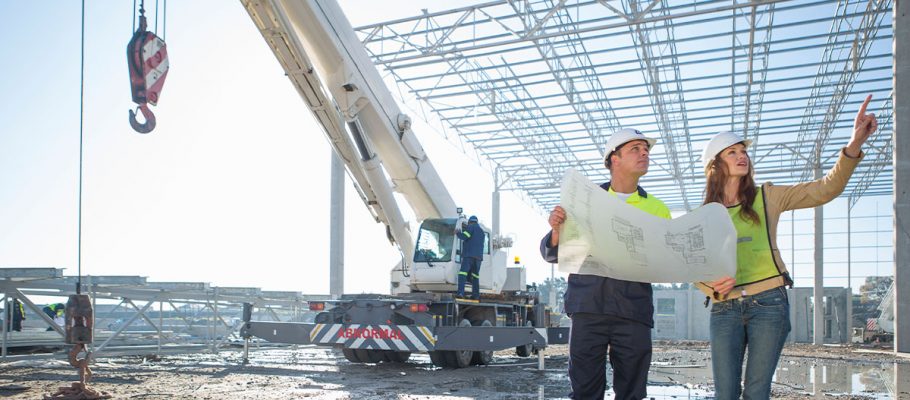
When a commercial general contractor possesses expertise in project management, they can efficiently supervise the entire construction process, making sure that timelines and budgets are met. Their proficiency allows them to coordinate various aspects of the project, from scheduling and planning to resource allocation. With a sharp grasp of construction methodologies and industry regulations, they can predict future difficulties and apply solutions preventatively.
This expertise also enables them to manage subcontractors and suppliers efficiently, guaranteeing everyone understands their tasks and roles. By utilizing project management tools and techniques, they maintain clear oversight of progress, allowing for timely adjustments when necessary. The capacity to analyze data and metrics guarantees that projects stay on schedule, cutting down on delays and cost overruns. Ultimately, a contractor's project management skills contribute greatly to the overall success of construction endeavors, leading to high-quality outcomes and contented clients.
Better Communication Among Stakeholders
Effective communication among stakeholders is essential for the success of any commercial construction project, as it encourages cooperation and shared purpose. A commercial general contractor serves as the main liaison between various parties, including architects, engineers, and clients. This unified communication strategy simplifies how information moves, guaranteeing that all stakeholders are aware of project progress, timelines, and possible issues.
By facilitating regular meetings and utilizing project management tools, the contractor enhances transparency and prevents miscommunications. Stakeholders are prone to raise issues and give feedback when they know their opinions matter. Additionally, effective communication often leads to faster problem solving, reducing delays and interruptions.
In the end, hiring a GC boosts communication but also fosters stronger relationships among involved parties, forming a collaborative setting that is favorable for successful project outcomes.
Successful Financial Control
Successful budget management is essential for ensuring that construction projects stay within financial constraints and meet their objectives. A commercial general contractor plays a pivotal role in managing and regulating spending on the project - Hickory top rated Commercial General Contractor. By offering comprehensive cost estimates and ongoing financial monitoring, they are crucial in avoiding budget overruns. Competent contractors use their professional experience to identify potential cost-saving opportunities, like negotiating supplier prices or streamlining resource use
In addition, they put in place detailed reporting systems, allowing stakeholders to monitor expenses closely and decide wisely. This preventative method to budget management not only enhances accountability but also fosters transparency among everyone involved. Furthermore, through careful planning and strategic foresight, general contractors can foresee financial issues and devise contingency plans, ensuring that projects maintain their financial course. Finally, sound financial control by a commercial general contractor is essential for the overall success of building efforts
Better Time Management and Fewer Setbacks
Even though unpredictable problems may occur during construction projects, hiring a commercial general contractor greatly enhances time efficiency and cuts down on delays. Contractors have vast experience and a thorough knowledge of construction processes, allowing them to foresee potential problems before they escalate. Their strong connections with subcontractors and suppliers ensure quick procurement of materials and services, cutting down on waiting.
In addition, commercial general contractors are skilled schedulers, ensuring that each phase of the project advances without issue and on time. They employ specialized tools to monitor timelines and manage tasks, which helps streamline workflows. By handling issues quickly and effectively, they minimize non-productive periods and ensure the project stays on schedule. In addition, their skill in navigating regulations prevents delays due to regulations. Finally, the careful supervision given by the contractor leads to a more streamlined construction process, enabling projects to finish on time.
Quality Management and Supervision
Quality management and oversight are critical components in the choosing of a general commercial contractor. Establishing strict protocols and protocols, coupled with regular inspection procedures, makes certain that projects fulfill the required specifications. Moreover, efficient oversight of a expert team significantly aids to ensuring excellent quality during the building phase.
Strict Protocols and Procedures
While choosing a general commercial contractor, knowing their strict protocols and processes for quality management and assurance is essential. These guidelines are intended to copyright excellent construction standards and verify conformity with building codes. Building firms utilize comprehensive processes that detail necessary materials, workmanship, and security precautions, guaranteeing that every aspect of the project adheres to established standards. This focus on superiority not only reduces mistakes but also reduces the likelihood of expensive modifications. Moreover, building firms usually create open reporting paths with all stakeholders, fostering collaboration and transparency during the building phase. By sticking to these stringent guidelines, general commercial contractors offer reassurance, sure that the build will be performed smoothly and to the best possible standards.
Regular Review Procedures
To guarantee that construction projects achieve superior quality, general commercial contractors implement consistent inspection processes as a vital element of their quality management and assurance measures. These processes involve periodic evaluations at multiple project steps, making sure that materials, workmanship, and overall compliance with project specifications are thoroughly assessed. By adhering to predefined review timetables, contractors can spot problems quickly, reducing expensive modifications and delays. Moreover, consistent inspections foster accountability among vendors and sub-trades, as they must meet strict quality standards. This systematic technique does more than improve the total soundness of the project but also builds trust among interested parties, knowing that their investment is underpinned by a focus on superiority across the entire project.
Skilled Workforce Management
A qualified team is crucial for upholding superior quality in construction projects, as it has a clear effect on quality control and assurance efforts. Efficient oversight of this workforce guarantees that each team member is properly educated and possesses the necessary expertise to complete their jobs smoothly. The commercial GC commonly employs thorough selection procedures to choose skilled personnel, fostering a culture of accountability and excellence. Furthermore, ongoing training programs allow employees to keep pace on the latest construction techniques and safety protocols. By implementing detailed performance monitoring, the contractor can evaluate execution and deal with deficiencies immediately, making certain that the final output meets or exceeds client expectations. In conclusion, effective personnel oversight is a vital element of successful construction projects.
Having a Roster of Reliable Subcontractors
Maintaining a roster of reliable subcontractors is crucial for a commercial general contractor. Robust industry ties allow the GC to pick competent specialists who meet quality assurance standards essential for project success. This network improves overall productivity but also makes certain the output adheres to elevated performance criteria.
Strong Professional Networks
While maneuvering through the complexities of a construction project, possessing robust industry ties significantly improves a contractor's ability to achieve high-quality outcomes. A commercial general contractor usually cultivates a solid base of reliable subcontractors, suppliers, and industry professionals. This network not only facilitates seamless collaboration but also ensures that top expertise is available for every phase of the construction. Having experienced specialists available permits the builder to pick experts who are well-versed in their respective trades, which can lead to greater productivity and excellent construction standards. In addition, these connections allow the GC to secure advantageous agreements and timelines, which effectively accelerates the construction process. In short, established industry connections are a vital asset that improves construction delivery and client satisfaction.
Quality Assurance Standards

Performance monitoring protocols are fundamental in the construction process, as they ensure that work satisfies specified requirements and maintain high levels of workmanship. A commercial general contractor offers extensive expertise and oversight, making certain that construction adheres to these rigorous standards. Through the use of a roster of reliable subcontractors, they can pick competent specialists who perform exceptionally in their fields, which boosts the overall quality of the project. This collaborative approach fosters accountability among subcontractors, as they are conscious of the standards set forth by the general contractor. In addition, periodic reviews and examinations assist in spotting emerging issues quickly, reducing expensive hold-ups and guaranteeing the end product conforms to the defined scope and safety protocols.
Risk Mitigation and Problem Solving
Effective risk mitigation and problem solving form vital parts in the role of a commercial general contractor, as they handle the challenges of construction projects. By conducting thorough risk assessments, supporting information they pinpoint risks that might surface throughout the building phase, such as delays, budget overruns, and safety hazards.
Using forward-thinking methods, they formulate emergency measures that minimize disruptions and guarantee project continuity. Should unanticipated issues surface, an experienced builder reacts quickly, applying novel approaches to resolve difficulties without compromising timelines or quality.
Moreover, their background permits them to foresee common pitfalls, allowing them to talk openly with all parties involved to set clear expectations and settle disputes. In the end, a CGT's skill to manage risks and solve problems improves how operations run but also ensures the project finishes successfully, promoting a safer and more regulated job site.
FAQ
Which Skills Are Important in a Commercial General Contractor?
When selecting a commercial general contractor, it is important to evaluate their history, necessary licenses and documentation, strong organizational capabilities, excellent communication skills, a solid reputation, and a thorough understanding of construction regulations and safety protocols.
What Is the Process for Selecting the Ideal Contractor for the Job?

To determine the right contractor for a project, one should evaluate their experience, references, licensing, insurance, how they communicate, and examples of previous work, ensuring they align with the specific needs and goals of the undertaking.
What Types of Projects Do Commercial General Contractors Typically Handle?
Commercial builders commonly manage many different types of jobs, such as offices, stores, storage facilities, eateries, and manufacturing plants. They handle the execution of construction, making sure schedules, costs, and quality are met in various industries.
How Does Hiring a General Contractor Impact My Final Project Budget?
Hiring a general contractor can initially raise project costs due to management fees. Yet, their skill frequently results in better efficiency, financial benefits, and minimized blunders, leading to a cheaper and faster finished project.
Can a General Contractor Help With Permits and Legal Requirements?
The general contractor is instrumental in obtaining permits and managing legal requirements (Hickory top rated Commercial General Contractor). Their expertise makes certain they comply with municipal codes, minimizing the chance of costly delays and fines, ultimately streamlining the project execution for the project